
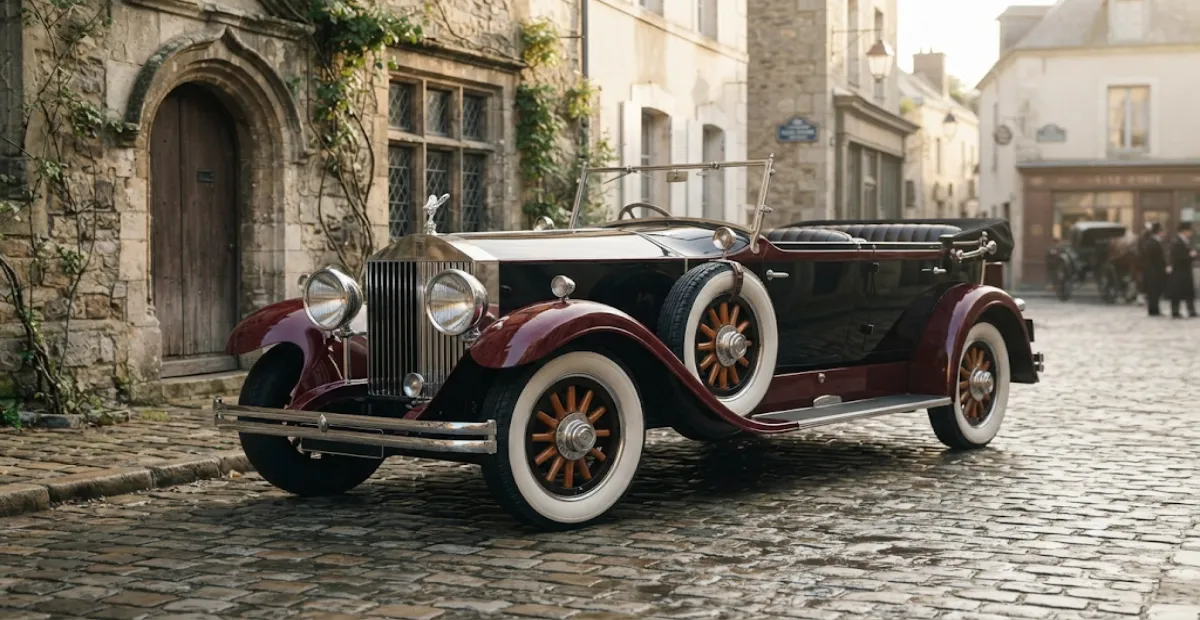
 No single rulebook settles the labels, so here is how car clubs, insurers, state DMVs and federal import rules each treat vintage cars vs classic cars.
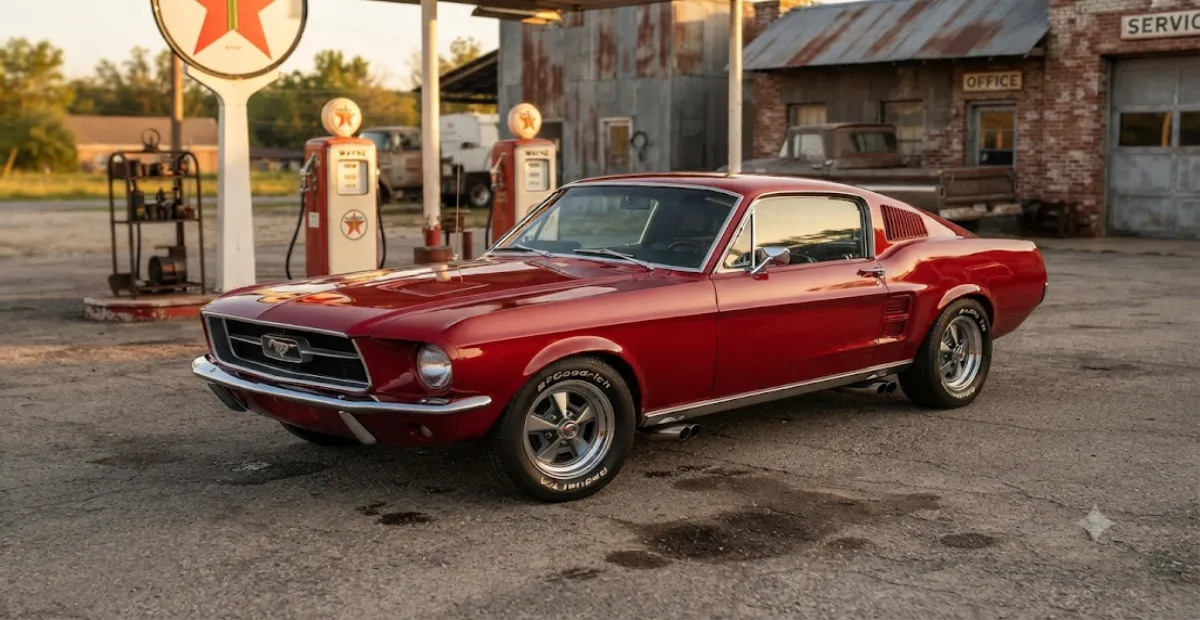
A luxury sedan built in 1928 can be called vintage, classic and antique in the same conversation, and each label can be correct depending on who is speaking. A 1967 Mustang is not vintage by any strict definition, but it is a classic to most enthusiasts and an antique under the 25-year line that many clubs and states use. Even the people who wrote the definitions disagree, which is why vintage cars vs classic cars is one of the most argued questions in the old-car hobby.
The short version is that “vintage” is usually a window of years, while “classic” is a flexible label that depends on age, quality, rarity or club rules. This guide explains where each definition comes from, how U.S. registration, insurance and federal import rules use the words, and how to describe your own car without starting an argument. Definitions were checked against club standards, state agency guidance and trade reporting as of November 18, 2026, and the text notes where sources conflict.
Future of Mobility: 7 Technologies That Could Change How We Travel
What Does MPG Mean and How Does It Affect Fuel Costs?
The Short Answer: A Time Window vs a Flexible Label
Vintage generally refers to cars built between 1919 and 1930. Hagerty, the collector-car insurer, has said most people agree a vintage car comes from that early period and remains mostly unmodified, and several other insurers use the same window. The period runs from just after World War I to the early years of the Great Depression.
Classic has no single definition. The Classic Car Club of America uses the strictest one: a “Full Classic” is a fine or distinctive automobile, American or foreign, built between 1915 and 1948, and only specific makes and models on the club’s list qualify. The Antique Automobile Club of America takes the opposite approach and treats cars 25 years old or older as antiques, a threshold that moves forward every year. Everyday usage falls in between, where “classic” often means any car old enough and appealing enough to collect.
| Source | Term it uses | Definition |
|---|---|---|
| Hagerty and some other insurers | Vintage | Built 1919 to 1930, mostly unmodified |
| Classic Car Club of America | Full Classic | Fine or distinctive cars built 1915 to 1948, limited to models on the club’s list |
| Antique Automobile Club of America | Antique | Vehicles 25 years old or older, rolling forward each year |
| Some insurers | Antique | Cars built before 1975, so an antique can also be vintage |
| California DMV | Historical Vehicle plates | Manufactured after 1922, at least 25 years old, of historic interest |
| NHTSA (imports) | 25-year exemption | Imported vehicles at least 25 years old are exempt from federal safety standards |
A Side-by-Side Look at Vintage Cars vs Classic Cars
The two terms measure different things. Vintage is defined by the calendar. Classic is defined by a mix of age, design and prestige, and the mix changes with the speaker.
| Feature | Vintage | Classic |
|---|---|---|
| What defines it | Year of manufacture | Age, quality, rarity or club list |
| Typical years | 1919 to 1930 | Strict club definition: 1915 to 1948; loose usage: roughly 20 to 25 years or older |
| Fixed or rolling | Fixed historical period | Strict version fixed; loose versions roll forward each year |
| Who uses it | Insurers, collectors, some clubs | Clubs, auctions, dealers, owners |
| Example | A 1920s production car | A CCCA-listed luxury car, or a 1960s muscle car in everyday usage |
| Overlap | A 1920s luxury car on the CCCA list can be both | Many classics are not vintage |
So every Full Classic built from 1919 to 1930 is also vintage by year, but most classics are not vintage, and most vintage cars are not Full Classics. A 1928 economy car is vintage by the calendar, yet it would not be a Full Classic because the club’s list covers only fine or distinctive models.
Why the Era Names Exist
The terms come from collector culture and, in part, from British usage. In the United Kingdom, “veteran” describes cars from before the First World War, “vintage” covers 1919 to 1930 and “post-vintage” covers the 1930s. U.S. usage overlaps with that vocabulary, which is why an American enthusiast may hear “vintage” for a 1920s car and “antique” for a car from any decade once it passes 25 years.
The CCCA’s 1915 to 1948 range reflects another idea: the club wanted to identify the highest-quality cars of the era, those distinguished by fine design, high engineering standards and superior workmanship, not simply old ones. That is why it keeps a list. A car that merely falls in the date range does not qualify.
What the Labels Mean for Registration and Use
State law matters more to owners than club definitions, and it is usually built around age. California is a clear example. Its DMV issues Historical Vehicle license plates to vehicles manufactured after 1922 that are at least 25 years old and of historic interest, under Vehicle Code section 5004. The state does not separate “vintage” from “classic” at all.
Texas uses two plate types. Its Dallas County tax office states that to register a vehicle as an antique with antique plates, it must be at least 25 years old. Published summaries describe separate classic plates that also require 25 years but allow more everyday use, while antique plates are meant for collector use such as shows and parades. Confirm the current terms with the Texas DMV before registering.
Other states set their own thresholds and use limits. A common pattern is 25 years, but some states choose different ages, and the restrictions that come with antique or historical plates vary. Check your state motor vehicle agency before buying a car on the assumption that it qualifies.
Federal Rules: The 25-Year Benchmark
The number 25 also appears in federal import law. A motor vehicle at least 25 years old, measured from its month and year of manufacture, can be imported into the United States without meeting the Federal Motor Vehicle Safety Standards, under the Imported Vehicle Safety Compliance Act of 1988. A separate Environmental Protection Agency exemption applies at 21 years for vehicles in their original configuration, so in practice the 25-year mark is the gate that matters for most imports.
The rule rolls forward monthly. As of November 2026, a car built in November 2001 or earlier clears the 25-year line. That is arithmetic, not a classification: the federal rule does not make a car a classic, and it applies to imports, not to domestic registration. But it is one reason 25 years has become the default dividing line between “used” and “collectible” in many conversations.
Insurance and Value: Why Definitions Matter
Insurers apply their own eligibility rules, and those rules are where the labels have direct money consequences. Some use “vintage” for 1919 to 1930 cars and “antique” for cars built before 1975. Others use age brackets. Which bracket your car lands in can affect the policy type you qualify for, the usage limits attached to it and how the vehicle’s value is determined. Ask any specialty insurer how it defines each category and what limits apply before you buy a policy or a car.
Originality is another area where sources disagree. Hagerty’s description of vintage says the car should remain mostly unmodified, while some guides say a car stays vintage by year even if modified. Both are describing the same era with different expectations, so check what a club or insurer requires if modifications matter to you. Condition, originality and documentation drive value more than the label does.
How to Describe Your Own Car
Three questions settle most cases. First, when was it built? A car from 1919 to 1930 is vintage by the common definition. Second, was it a fine or distinctive make, built between 1915 and 1948, and is the model on the CCCA’s list? If so, it may be a Full Classic. Third, how old is it? At 25 years, it qualifies as an antique under the AACA’s rule and likely meets the age requirement for historical or antique plates in many states.
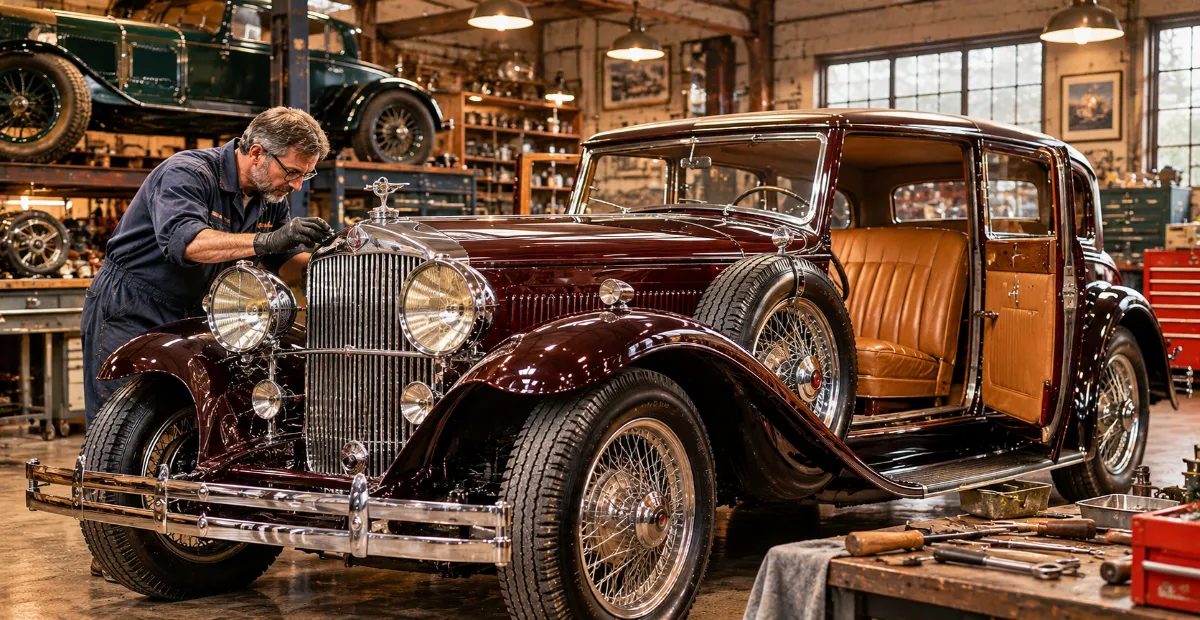
Use the label that fits the setting. At a CCCA event, “classic” means the club’s list. At an AACA show, “antique” means 25 years or older. With an insurer or DMV, use the term that agency defines, and confirm the age threshold in writing.
Quick Reference: Which Labels Can Apply at Each Age
Because the definitions overlap, the same car can collect several labels at once. The table below shows how a car’s build year maps to the terms discussed above, using the common definitions and a November 2026 calendar. It is a guide, not a legal ruling, and any specific club, insurer or state may draw the lines differently.
| Built | Labels that commonly apply | Notes |
|---|---|---|
| 1915 to 1918 | Antique; possibly Full Classic | Inside the CCCA’s range, but before the 1919 vintage window |
| 1919 to 1930 | Vintage, antique; possibly Full Classic | California historical plates apply only to cars built after 1922 |
| 1931 to 1948 | Antique; possibly Full Classic | Beyond the vintage window, inside the CCCA’s range |
| 1949 to 2001 | Antique by the 25-year rule; “classic” in loose usage | Not Full Classics under the CCCA’s strict definition |
| 2002 or later | Not yet 25 years old | Newer cars cross the line month by month |
The practical lesson is that “vintage” narrows the list quickly, while “antique” and “classic” widen it as the years pass.
Questions Owners and Buyers Often Ask
Is a car from the 1980s vintage? Not by the common definition, because the vintage window ends in 1930. A 1980s car is now more than 25 years old, so it meets the AACA’s antique threshold, and many people call it a classic in everyday usage.
Can a modified car still be a classic? In everyday conversation, yes. The CCCA, however, maintains its list for unmodified cars, and Hagerty describes vintage cars as mostly unmodified, so strict definitions favor originality. For insurance, registration and club events, ask what each organization requires.
Does turning 25 automatically change my registration? No. Age is only one requirement. California, for example, also asks that the vehicle be of historic interest, and states commonly attach use limits to antique or historical plates. Apply to your state agency and read the terms before you assume anything.
Is the 25-year import rule a definition of a classic? No. It is a federal exemption from safety standards for imported vehicles. It has contributed to 25 years becoming a common reference point, but it does not label a car.
Common Misconceptions
“Vintage” is not a synonym for “old.” Strictly, it refers to a specific era. “Classic” is not a legal category, and no federal agency defines it. A car that turns 25 is an antique by the AACA’s measure and may be eligible for historical plates in states such as California, but that does not automatically make it a Full Classic, which depends on the CCCA’s list. And the same car can carry different labels with different organizations without anyone being wrong.
What the Moving Line Means for Newer Cars
Because the 25-year line rolls forward, a new group of cars crosses it each year. Cars built in 2001 reach 25 years in 2026, which means some early-2000s models are now eligible for antique treatment in states and clubs that use that age. Whether they feel like classics is another matter: club standards and public taste change more slowly than the calendar. Expect the loose meaning of “classic” to keep drifting later, while the 1919 to 1930 vintage window stays fixed.
The Bottom Line
Vintage cars vs classic cars comes down to what is being measured. Vintage is a window of years, usually 1919 to 1930. Classic is a flexible label, strict at the CCCA and loose almost everywhere else. Antique is the age-based term that clubs and states use for cars 25 years old or older, and it is the one with the most practical effect on registration.
Over the next few years, watch how state agencies and insurers handle cars that cross the 25-year line, and whether clubs revise their definitions to include newer models. For owners, the practical step is simple: identify who is asking, use their definition, and get the age threshold in writing before you rely on it.
Six Decades, One Silhouette: How the Porsche 911 Outlasted Every Trend
🔹🔹 Follow us on facebook 🔹🔹